Kissed by the Sun: Is That “Healthy Glow” Really Healthy?
A golden tan has often been promoted as a sign of health and vitality.
But is a tan really a sign of good health — or is it your skin trying to protect itself?
Your skin changes color when it is exposed to ultraviolet (UV) radiation because your body is responding to damage from the sun’s rays.
That “sun-kissed glow” may look attractive today, but repeated UV exposure can contribute to problems that show up years later.
 Understanding UV Radiation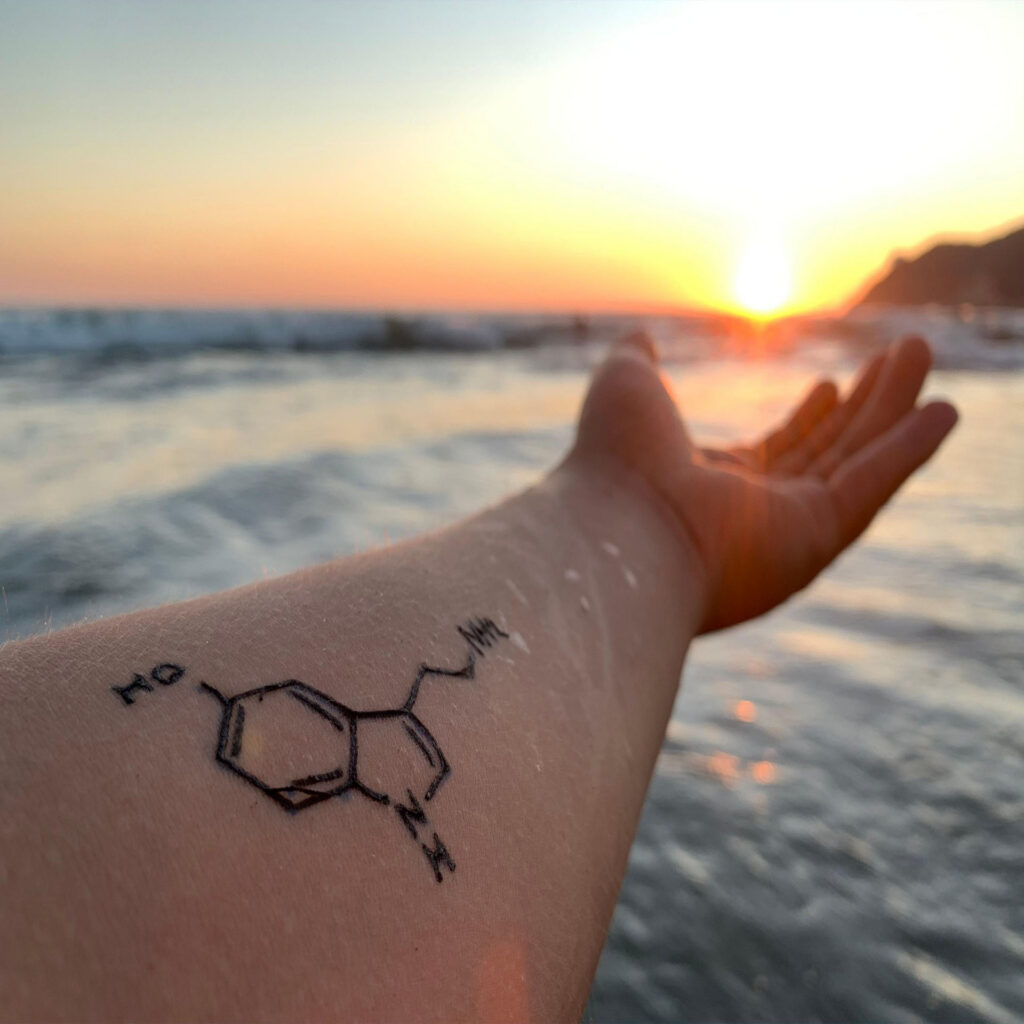
The sun produces different types of ultraviolet radiation, including UVA and UVB rays.
Both can affect your skin:
UVA rays penetrate deeper into the skin and are strongly associated with premature aging, wrinkles, and changes in skin texture.
UVB rays are a major cause of sunburn and play a significant role in the development of skin cancers.
Tanning beds expose users to concentrated UV radiation and can increase the risk of skin damage.
 The Risks of Indoor Tanning
Many people use tanning beds because they want a year-round tan. Unfortunately, that cosmetic benefit comes with potential health concerns.
Repeated artificial tanning exposure may contribute to:
 Premature skin aging Wrinkles and loss of skin elasticity Age spots and uneven pigmentation Eye damage if proper protection is not used Increased risk of skin cancers
The damage from UV exposure can accumulate over time.
 Who Should Be Especially Careful?
Everyone benefits from protecting their skin, but some people have a higher risk of UV-related damage.
Risk factors include:
- Fair skin that burns easily
- Light-colored eyes
- Blond, red, or light brown hair
- A history of frequent sunburns
- Regular tanning bed use
- A personal or family history of skin cancer
 Healthy Ways to Enjoy the Sun
Sunlight is part of life, and spending time outdoors has many benefits. The goal is not to avoid the outdoors — it is to enjoy it wisely.
Enjoying sensible outdoor sunlight — spending time outdoors can be an important part of a healthy lifestyle, while avoiding excessive exposure and sunburn.
 Protecting your eyes with quality UV-blocking sunglasses — sunglasses help reduce UV exposure to the eyes without preventing your body from responding to sunlight reaching your skin.
 Using sunscreen when appropriate — particularly during prolonged outdoor activities when shade is unavailable.
 Wearing protective clothing and a hat — especially when spending extended periods in direct sunlight.
 Seeking shade during intense midday sun — giving your skin a break when UV intensity is highest.
 Staying hydrated — especially during outdoor activities and hot weather.
A healthy lifestyle includes enjoying nature while respecting your body’s need for protection.
 Beauty Comes From Health
A healthy appearance comes from taking care of your whole body.
Good nutrition, regular movement, quality sleep, stress management, and protecting your skin all contribute to healthy aging.
The best “glow” is the one that comes from feeling good inside and out. 
Dr. Jeff’s Wellness Tip
Your skin is your body’s largest organ — take care of it!
Enjoy the outdoors, stay active, and protect yourself from unnecessary UV damage. Your future self will thank you.
Be Blessed
Dr. Jeffrey Boerger DC
FAQ Section
 Are tanning beds safer than natural sunlight?
No. Tanning beds expose the skin to ultraviolet radiation, which can contribute to skin damage and increase the risk of skin cancer.
Does having a tan mean my skin is healthier?
No. A tan is actually your skin responding to UV exposure. It is not a measure of good health.
Can sun exposure cause premature aging?
Yes. Long-term UV exposure can contribute to wrinkles, uneven skin tone, and changes in skin texture.
Should I avoid the sun completely?
No. Outdoor activity is an important part of a healthy lifestyle. The goal is responsible sun exposure and protecting your skin.