🌡️ Fear of Fevers: What Every Parent Should Know
Few things can cause a parent to panic faster than waking up in the middle of the night to find their child feeling hot.
Your first thought may be:
“Something is seriously wrong!” 😟
But before fear takes over, it helps to understand what a fever actually is.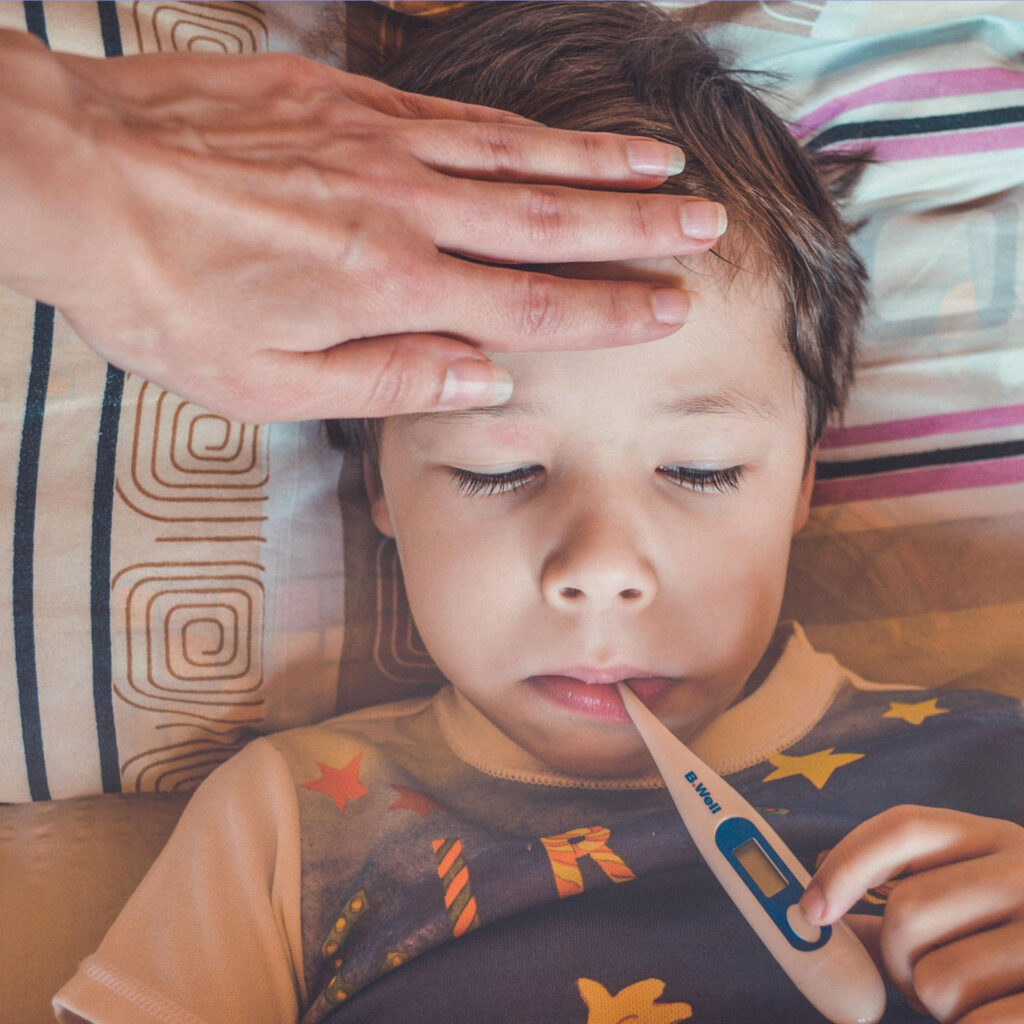
A fever is not a disease. It is one of the ways the body responds when the immune system is fighting an infection.
🦠 Why Does the Body Create a Fever?
Your body is designed with incredible self-regulating abilities.
When your immune system detects an infection, it can raise your body’s temperature as part of its defense response.
A fever may help the body:
✅ Activate immune defenses
✅ Create an environment that is less favorable for some germs
✅ Signal that the body is responding to illness
A fever is usually a symptom, not the illness itself.
😟 Why Do Fevers Scare Parents?
Parents often worry because they have heard that fevers can cause:
- Brain damage
- Seizures
- Serious complications
The good news is that most childhood fevers are caused by common infections and are not dangerous by themselves.
However, the age of the child, the severity of the fever, how long it lasts, and other symptoms all matter.
💧 How Can You Help a Child With a Fever?
The goal is usually to help your child stay comfortable and prevent problems like dehydration.
Helpful steps include:
💧 Encourage fluids
Fever can increase fluid loss. Offer frequent drinks or small sips if your child does not feel well.
👕 Dress your child comfortably
Avoid heavy blankets or excessive clothing that can make your child uncomfortable.
😴 Allow rest
The body needs energy to recover.
🍲 Do not force food
It is common for appetite to decrease during illness. Focus on hydration.
🌡️ Monitor symptoms
Pay attention to how your child is acting, not just the number on the thermometer.
🚨 When Should Parents Seek Medical Advice?
Contact your child’s healthcare provider if you have concerns, especially if:
⚠️ Your child is very young
⚠️ The fever is very high or persistent
⚠️ Your child appears unusually sleepy, confused, or difficult to wake
⚠️ There are signs of dehydration
⚠️ Your child has trouble breathing
⚠️ You simply feel something is not right
Parents know their children best. Trust your instincts.
❤️ A Balanced Approach to Childhood Fevers
A fever can look frightening, but understanding what is happening inside your child’s body can help reduce unnecessary fear.
The goal is not always to eliminate every fever immediately. The goal is to care for your child, keep them comfortable, and recognize when additional help is needed.
🌟 Dr. Jeff’s Wellness Tip
Health is about understanding how the body works.
A fever is one example of your body’s amazing ability to respond and protect itself.
Stay calm, keep your child comfortable, monitor symptoms, and don’t hesitate to ask your healthcare provider questions. ❤️
Be Blessed
Dr. Jeffrey G Boerger DC
FAQ Section (Rank Math FAQ Schema)
❓Is a fever itself dangerous for children?
Most childhood fevers are the body’s normal response to infection and are not dangerous by themselves. The child’s age, symptoms, and overall condition are important factors.
❓What should I do when my child has a fever?
Focus on keeping your child comfortable, offering fluids, allowing rest, and monitoring symptoms.
❓Should I always try to lower my child’s fever?
Parents should discuss fever management with their child’s healthcare provider. The goal is usually comfort and safety rather than focusing only on the thermometer number.
❓When should I call a doctor about my child’s fever?
Seek medical advice if your child is very young, has concerning symptoms, the fever persists, or you are worried about your child’s condition.